
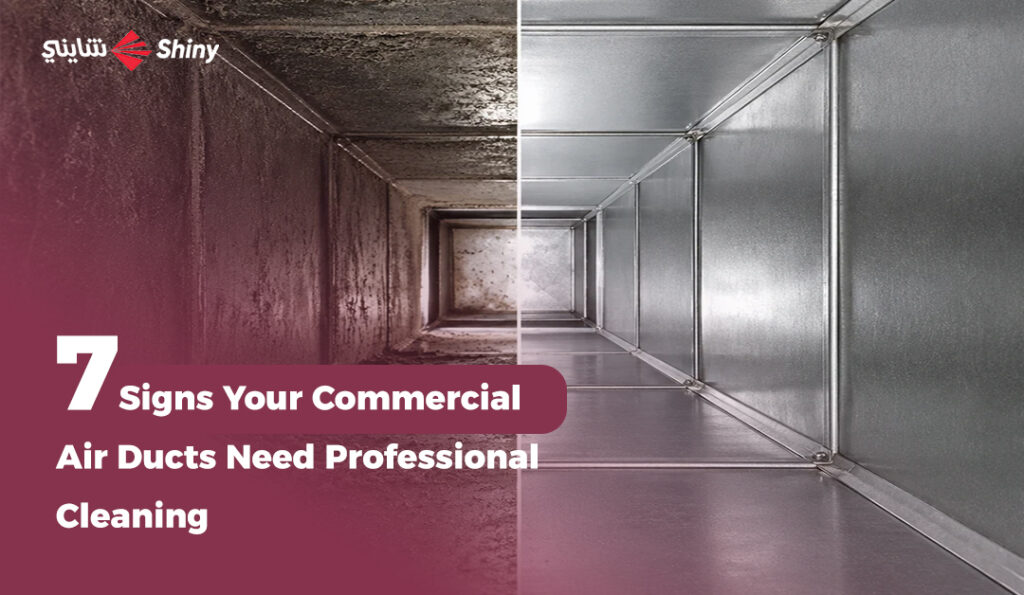
Commercial buildings such as offices, restaurants, hotels, and retail facilities rely on their HVAC systems to maintain comfortable indoor environments throughout the working day. Over time, dust, debris, and other airborne particles can accumulate inside air ducts and ventilation components.
However, the need for Commercial Air Duct Cleaning is not always immediately apparent. Your HVAC system may continue to operate while certain signs indicate that the ventilation system needs closer inspection.
Excessive dust around air vents, unusual odors, inconsistent airflow, and visible debris inside ductwork can all indicate a potential problem. Identifying these warning signs early can help facility managers determine whether professional cleaning or other HVAC maintenance measures are necessary.
In this guide, we explore seven signs that your commercial air ducts may need professional cleaning, explain the difference between air vent cleaning and duct cleaning, and outline when to arrange an inspection for your commercial HVAC system.
Why Is Commercial Air Duct Cleaning Important?
Air ducts are an essential part of a commercial HVAC system. They distribute conditioned air throughout a building, helping maintain indoor comfort in offices, restaurants, hotels, and other commercial facilities.
As HVAC systems operate, dust and airborne particles can accumulate in different components. The extent of this buildup depends on several factors, including building occupancy, operating hours, filtration, indoor activities, and maintenance practices.
Not every dust deposit means that duct cleaning is immediately necessary. However, noticeable contamination, persistent odors, or recurring ventilation problems may justify a professional inspection.
Professional air duct cleaning focuses on the relevant parts of the ventilation system rather than simply removing dust from visible surfaces. A qualified service provider can assess the condition of the ductwork and determine whether cleaning is appropriate or whether another maintenance issue needs attention.
7 Signs Your Commercial Air Ducts Need Professional Cleaning
1. Excessive Dust Around Air Vents
One of the most noticeable signs is the repeated accumulation of dust around supply air vents, return grilles, and nearby surfaces.
If dust returns quickly after routine cleaning, it may be worth inspecting the HVAC system and surrounding environment to identify the source. Possible contributing factors include inadequate filtration, indoor dust sources, air leakage, or contamination within accessible ventilation components.
Although dust around an air vent does not automatically indicate dirty ductwork, recurring buildup should not be ignored.
A professional inspection can help determine whether the issue originates in the duct system, the filters, or another part of the HVAC system. If significant contamination is identified inside the ducts, professional air duct cleaning may be recommended.
2. Weak or Uneven Airflow Across Different Areas
Does one office feel comfortable while another consistently receives less airflow? Uneven air distribution can indicate a problem that requires further investigation.
Several factors can affect airflow in a commercial HVAC system, including:
- Clogged or incorrectly installed air filters.
- Blocked or restricted ductwork.
- Poorly balanced air distribution.
- Fan or blower performance issues.
- Problems with dampers or other system components.
Commercial Air Duct Cleaning may be appropriate if an inspection identifies debris restricting the ductwork. However, cleaning alone will not resolve every airflow problem.
A qualified technician should assess the system to identify the underlying cause and recommend the most suitable corrective action.
3. Unusual or Persistent Odors From Air Vents
Unusual smells coming from ventilation outlets can be another reason to inspect the HVAC system.
Persistent musty odors, stale smells, or recurring unpleasant odors may be associated with moisture, contaminated components, dirty filters, drainage problems, or other sources within the building.
In commercial environments, these issues deserve attention because odors can affect occupant comfort and the overall indoor experience.
Simply cleaning the visible air vents may not resolve the problem if the source is located deeper inside the HVAC system or elsewhere in the building.
A professional inspection can help identify the origin of the odor and determine whether duct cleaning, component cleaning, moisture correction, or another maintenance procedure is necessary.
4. Visible Contamination or Suspected Mold
Visible debris, unusual deposits, or suspected microbial growth around ventilation components should be evaluated carefully.
Moisture is an important consideration because damp conditions can contribute to microbial growth on suitable surfaces. Potential sources include condensation, drainage issues, water intrusion, or other moisture-related problems.
If mold is suspected inside a commercial HVAC system, the priority should be to identify the affected area and address the underlying moisture source.
Cleaning only the visible portion of a vent may not resolve contamination elsewhere in the system. Similarly, routine duct cleaning should not be treated as a substitute for appropriate mold assessment and remediation when those services are needed.
A qualified professional can evaluate the condition of the affected components and determine the appropriate next steps.
5. Declining Indoor Air Quality
Indoor air quality is an important consideration for commercial buildings, particularly facilities with high occupancy or extended operating hours.
If employees, customers, or building occupants notice persistent dust, recurring odors, or other changes in the indoor environment, the HVAC and ventilation systems may need to be evaluated.
However, poor indoor air quality does not necessarily mean that dirty air ducts are the cause.
Other contributing factors may include inadequate outdoor ventilation, insufficient filtration, indoor pollutant sources, excessive moisture, cleaning chemicals, or poorly maintained HVAC components.
Professional Air Duct Cleaning may help address contamination inside the ductwork when that contamination is confirmed as a relevant source. A broader indoor air quality assessment may be necessary when the cause is unclear or multiple factors are involved.
The goal is to identify the source of the problem rather than rely on a single solution for every air quality concern.
6. Recurring HVAC Maintenance Issues
Frequent HVAC problems may indicate that your building’s maintenance program needs closer attention.
Commercial HVAC systems contain multiple interconnected components, including filters, coils, fans, dampers, condensate drainage systems, and ductwork. Problems in one area can affect the performance of other components.
If your system requires repeated maintenance visits, consider arranging a broader inspection instead of focusing exclusively on the main HVAC unit.
Regular Commercial HVAC Maintenance may include filter inspections, equipment checks, airflow assessments, drainage inspections, and ductwork evaluations, depending on the system’s design and condition.
A preventive maintenance program helps identify developing issues and supports informed maintenance decisions. If inspections reveal substantial dust or debris inside the ductwork, duct cleaning may form part of the recommended maintenance plan.
7. Noticeable Dust or Debris Inside the Ductwork
Visible accumulation inside accessible ductwork or ventilation components is a more direct reason to consider professional evaluation.
During an inspection, a technician may identify substantial dust deposits, construction debris, or other contamination that warrants cleaning.
The appropriate cleaning method depends on the duct material, system configuration, accessibility, contamination level, and equipment involved.
For commercial properties, the work should be planned around the building’s operational requirements and the specific condition of the ventilation system.
Rather than choosing a generic cleaning service, request an assessment that identifies the affected components, explains the recommended scope of work, and clarifies whether additional maintenance is required.
Air Vent Cleaning vs. Air Duct Cleaning: What’s the Difference?
Although these terms are sometimes used interchangeably, they can describe different scopes of work.
Air Vent Cleaning generally focuses on accessible ventilation grilles, registers, and visible surfaces. It can be useful for removing surface dust but does not necessarily address contamination deeper inside the ductwork.
Air Duct Cleaning involves cleaning relevant sections of the internal duct network and may include associated components, depending on the agreed scope of service and the system’s condition.
For example, wiping a dusty air vent may improve its appearance, but it will not remove debris located farther inside the duct system.
The appropriate service should be determined through inspection. Not every commercial HVAC system requires full duct cleaning, and cleaning should be recommended based on observed conditions rather than assumed necessity.
How Often Should Commercial Air Ducts Be Cleaned?
There is no single cleaning interval that is appropriate for every commercial property.
The recommended frequency depends on factors such as:
- The type of commercial activity conducted inside the building.
- The number of occupants and daily foot traffic.
- HVAC operating hours and system design.
- Dust levels and potential indoor contamination sources.
- Filter condition and replacement practices.
- The building’s maintenance history.
- Any evidence of moisture intrusion or contamination.
Restaurants, industrial facilities, offices, hotels, and retail spaces may have different ventilation requirements and operating conditions.
Instead of automatically scheduling duct cleaning every year, facility managers should establish a preventive maintenance program that includes regular inspections and cleaning when justified by the system’s actual condition.
This approach helps prioritize necessary work while avoiding unnecessary services.
Why Choose a Professional Commercial Air Duct Cleaning Company?
Commercial ventilation systems can be more complex than residential systems because they may contain extensive duct networks, multiple air handling units, and components that are difficult to access.
Selecting a suitable service provider involves more than comparing prices.
Before hiring a company, consider whether it can:
- Assess the condition of your commercial HVAC system before recommending cleaning.
- Explain which duct sections and components are included in the service.
- Identify potential moisture or contamination issues that may require additional attention.
- Use appropriate cleaning methods and equipment for the system.
- Explain any access, operational, or safety requirements.
- Provide a clear scope of work and recommendations for follow-up maintenance.
At Shiny, we focus on professional cleaning solutions for commercial facilities, with attention to each property’s operational needs and the condition of its systems.
Whether you manage an office, restaurant, hotel, or another commercial property, a condition-based assessment can help you determine which cleaning and maintenance services are appropriate.
How to Prepare for a Commercial Air Duct Cleaning Service
Preparing a few details before the inspection can help the service provider understand your building’s requirements.
Consider gathering the following information:
- Building type and size: Identify the type of facility and the areas served by the HVAC system.
- Operating schedule: Explain how many hours the system typically runs each day.
- Maintenance history: Share available records of previous inspections, repairs, filter replacements, and duct cleaning.
- Current concerns: Document recurring dust, unusual odors, or airflow differences between rooms.
- Affected areas: Identify the locations where symptoms are most noticeable.
- Access requirements: Explain any restrictions affecting equipment rooms, ceilings, work areas, or operating hours.
Providing this information helps establish the scope of the inspection and supports a more accurate assessment of the work required.
Don’t Ignore the Warning Signs in Your Commercial HVAC System
Excessive dust, uneven airflow, persistent odors, and visible contamination can all justify a closer look at your commercial ventilation system.
These signs do not always mean that air duct cleaning is the only solution. However, investigating recurring problems can help identify whether the cause involves duct contamination, filtration, moisture, equipment performance, or another maintenance issue.
A professional inspection allows facility managers to make informed decisions about cleaning and repairs based on the system’s actual condition.
Taking a preventive approach can also help organize maintenance activities, reduce avoidable disruption, and support a cleaner, more comfortable commercial environment.
Request a Professional Air Duct Cleaning Assessment From Shiny
Are you noticing excessive dust, unusual odors, inconsistent airflow, or visible buildup in your commercial facility?
Shiny provides professional cleaning solutions for commercial properties, helping businesses assess their cleaning requirements and identify suitable services for their facilities.
Contact Shiny to discuss your building’s needs and arrange an assessment of your commercial ventilation system.
Start with a professional evaluation to determine whether your facility needs air duct cleaning, HVAC maintenance, or another corrective measure.
Frequently Asked Questions About Commercial Air Duct Cleaning
1. What are the main signs that commercial air ducts need cleaning?
Common warning signs include recurring dust around air vents, visible debris inside accessible ductwork, persistent unusual odors, and confirmed contamination within the ventilation system. These signs warrant inspection, although the underlying cause should be established before cleaning is recommended.
2. Does air vent cleaning include the entire duct system?
Not necessarily. Air vent cleaning often focuses on accessible grilles and registers, whereas air duct cleaning targets relevant sections of the internal ductwork. Always confirm which components are included in the service.
3. Can professional air duct cleaning improve indoor air quality?
It may help address certain sources of airborne contamination when pollutants are present inside the ductwork. However, indoor air quality also depends on ventilation, filtration, moisture control, and indoor pollutant sources. Cleaning is not a universal solution for every air quality problem.
4. Should commercial air ducts be cleaned every year?
Not necessarily. The appropriate cleaning frequency depends on the building’s use, operating conditions, dust levels, maintenance history, and the condition of the ductwork. Periodic inspections can help determine when cleaning is justified.
5. What is the difference between air duct cleaning and HVAC maintenance?
Air duct cleaning focuses on removing accumulated contamination from relevant sections of the duct system. HVAC maintenance covers a broader range of inspection and servicing activities, including filters, coils, fans, drainage, and other equipment components.
6. Can dirty air ducts cause poor airflow?
Debris or obstructions inside ductwork can restrict airflow, but they are not the only possible cause. Dirty filters, improperly adjusted dampers, fan problems, and system design issues can also affect air distribution. An inspection can help identify the actual cause.
7. How do I choose a commercial air duct cleaning company?
Look for a provider with experience in commercial HVAC systems, a clear inspection process, appropriate cleaning equipment, and a documented scope of work. The company should explain why cleaning is necessary and identify any additional maintenance requirements.
8. What is included in commercial air duct cleaning services?
The scope varies by provider and building. It may include cleaning selected duct sections, registers, grilles, and other agreed-upon components. Request a written description of the work before the service begins.
Contact Shiny today to discuss your commercial air duct cleaning requirements and determine the right solution for your facility.